

Japan Parliamentary Elections: Ruling Coalition Expected to Secure Clear Majority

Parliamentary Elections
Parliamentary Elections
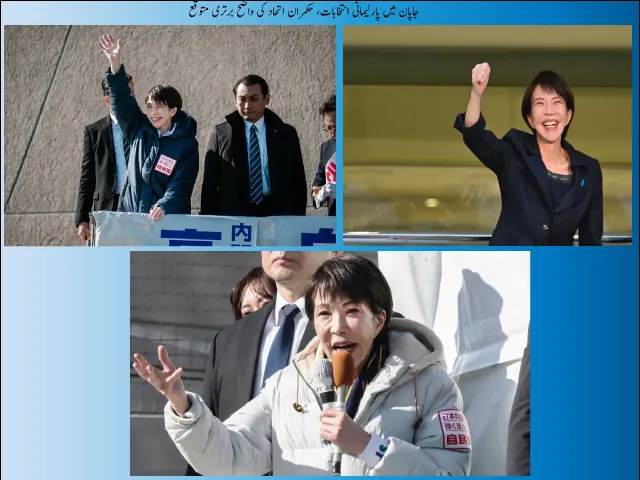
Voting is underway in Japan’s parliamentary elections, where the ruling conservative coalition is widely expected to achieve a clear victory. According to various opinion polls, the alliance is projected to secure a large share of seats in the lower house of parliament.
The snap election is being held at a time when the government is seeking a fresh mandate to advance its political agenda, which includes increased defence spending, changes to security policies, and stricter immigration laws.
Polls suggest that the ruling coalition could win more than 300 seats in the 465-member lower house, marking a significant political success. Although opposition parties are attempting to form new alliances, internal divisions have left them unable to pose an effective challenge.
Parliamentary Elections
Rising Inflation and Economic Pressure Dominate the Election
Rising inflation and the increasing cost of essential goods have emerged as the top concerns for voters. While prices continue to climb, real wages have failed to keep pace with inflation, adding to public hardship.
Japan has been facing sluggish economic growth for an extended period. Economic expansion remained limited last year, and growth projections for the coming year also remain weak.
To provide relief to the public, the government has announced measures such as a temporary suspension of the sales tax on food, subsidies on energy bills, cash assistance, and food vouchers. In addition, a major economic stimulus package was approved in recent years, aimed at easing the impact of inflation.
Indications of Policy Shifts on Defence and Immigration
During the election campaign, revisions to security and defence policies have been highlighted as key priorities. The government has signalled plans to strengthen the country’s defence capabilities, ease restrictions on weapons exports, and gradually move away from its traditional pacifist stance.
Stricter measures have also been proposed in the immigration sector, including tighter regulations on foreign property ownership and the introduction of limits on the foreign resident population.
more latest news for this link
Severe Weather Unlikely to Affect Election Outcome
The elections are taking place amid heavy snowfall in several parts of the country, creating difficulties for voters in some regions. However, analysts believe that the harsh weather conditions are unlikely to have a significant impact on the overall election results.
Political observers say that a large segment of the population believes the ruling coalition’s policies could bring long-term stability in light of current economic and security challenges, which is why many voters appear inclined to support the government.
Parliamentary Elections
About The Author
